
Who Is My First Customer, and How Do I Find Her Without a Following?
Your first customer is one person in one situation with one problem you can solve. Not an age group, not a gender, not "women over 50". You find her by going where people are already asking the question you can answer, reading what they actually say, and talking to a few of them. This takes conversations, not a following.
Why this matters
"Everyone could use this" feels generous and is the fastest route to nobody buying anything.
When you write for everyone, you write in general terms, and general terms slide off people. The woman reading it cannot tell whether you mean her. When you write for one specific situation, the person in that situation feels recognised, and recognition is most of what makes someone stop and pay attention.
You are not shutting people out. You are giving one person a reason to think you are talking to her.
Choose by situation, not by category
Age, gender and income tell you very little about what someone needs at eight o'clock on a Tuesday night.
Situation tells you everything. "Women over 50" is a category. "A woman who has just been made redundant after twenty years at the same employer" is a situation. She has a specific problem, a specific fear, a specific deadline and a specific search she is about to type.
Write down the situation, not the demographic. If you cannot picture what she did yesterday, it is not specific enough yet.
Go where the questions already are
You do not need an audience to do this. You need to read.
Facebook groups for the situation you are targeting. Reddit threads. The comments under YouTube videos on your subject. Reviews of books and courses in your area, especially the three star ones, which are where people say what was missing.
Read for phrasing. Note the exact words people use, because those are the words you will write in and the words they will type into Google. Nobody searching for help with going back to work types "career transition solutions".
One rule. You are reading what people chose to publish, and that is all. Do not collect names, do not scrape contact details, do not message people who have not invited it. Reading is research. Harvesting is something else, and it will cost you more trust than it earns you leads.
The one sentence that keeps you honest
Finish this, out loud:
I help [person in a specific situation] move from [the problem she has now] to [the result she wants].
If it takes more than one sentence, it is not clear yet. If it could describe half the population, it is not specific yet.
You will rewrite it a dozen times over the next year. That is normal. Get a version you can say without wincing and move on.
Test it with conversations, not surveys
Five real conversations will teach you more than a hundred survey responses.
Talk to people who are actually in the situation. Ask what they have already tried. Ask what did not work. Ask what they would want to be different in three months. Then be quiet and let them talk.
Do not pitch. You are not selling yet, you are finding out whether the problem you imagined is the problem they have. Very often it is next door to it, and the version they describe is better than the one you invented.
An example
An illustration, not a customer story.
Someone plans a course on "confidence for women returning to work". She reads a returners' group for two weeks.
Nobody in that group says they lack confidence. What they say, over and over, is that they do not know how to explain the gap on their résumé without sounding apologetic.
Same underlying problem. Completely different words, and a much sharper offer. "How to talk about your years out of work without apologising for them" is a thing a woman will click at eleven at night. "Confidence" is not.
She did not change what she knows. She changed what she called it, after listening.
Try this now
Pick one situation, as narrow as you can bear. Then spend twenty minutes reading one group or thread where those people talk.
Copy out ten sentences in their own words. Do not tidy them up.
Then paste this:
Here are ten things people in [situation] said in their own words: [paste]. What problems come up more than once? Which ones sound urgent rather than mildly annoying? What words do they use that I should be using? Use only what is in the list.
Common questions
Is my audience too small?
Almost certainly not. A narrow audience you can actually reach beats a huge one you cannot. You can widen later, and widening is easy. Being vague from the start is what kills things.
What if I am my own first customer?
That is a strong place to start, as long as you check. You know the problem intimately. Test whether other people have it in the same shape, because your version may be unusual.
Do I need a following before I sell anything?
No. Your first few customers usually come from conversations, referrals and people who already know you. A following makes it faster later. It is not a starting requirement.
How many conversations before I know?
Five gets you a sense. Ten and you will see the pattern. Any more than that and you are probably avoiding building the thing.
Your next step
Continue the journey. Read Guide 7: Course, workshop or guide, which should I build first? https://www.winninglifestylesonline.com/guides/course-workshop-or-guide
Learn with WLOL: Your Knowledge, Online, $147. Find your niche, choose the right format, and build your own digital offer. https://www.winninglifestylesonline.com/ai-business-builder
More guides: https://www.winninglifestylesonline.com/guides
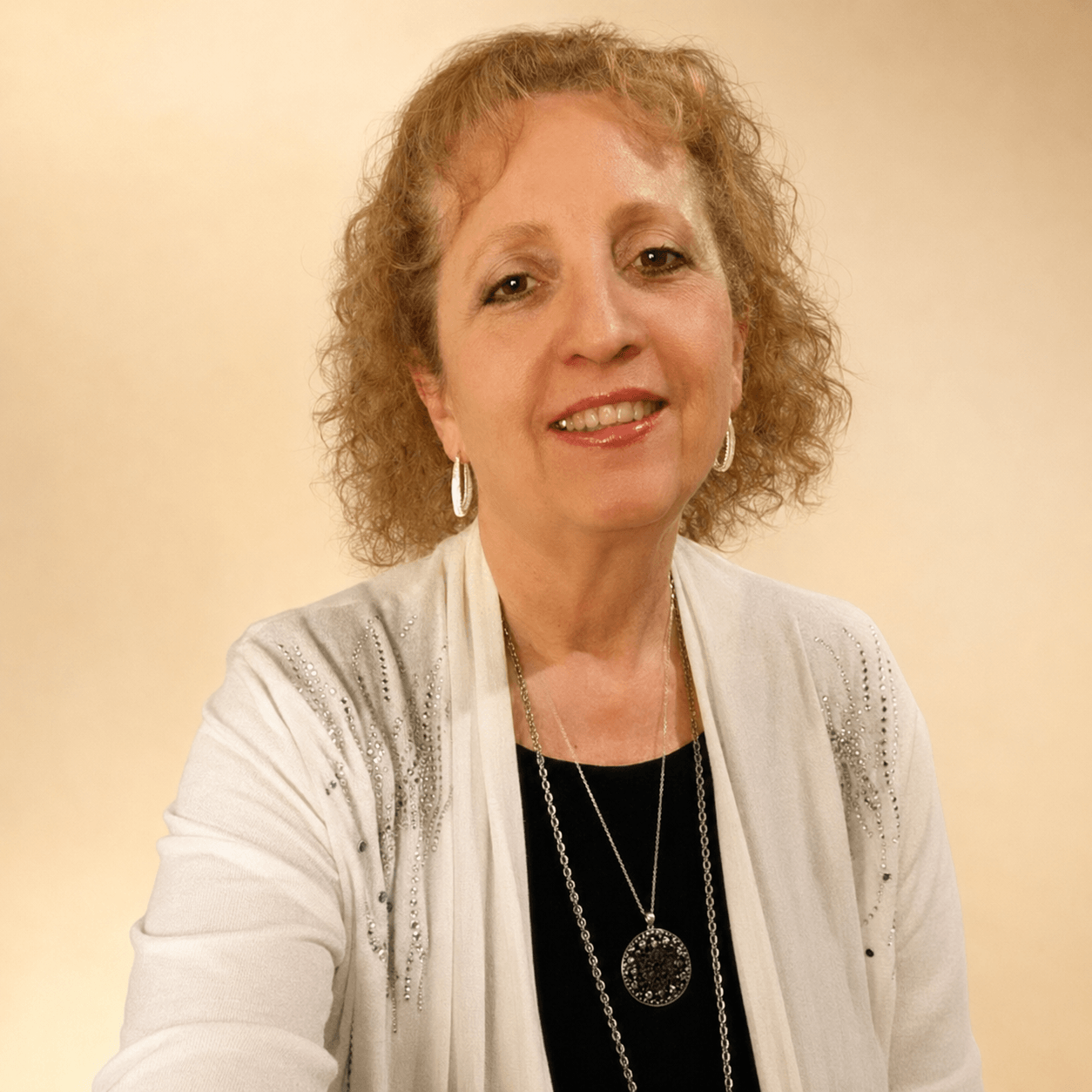
About Louella and Winning Lifestyles Online
I am Louella. I teach AI to women who are changing direction in their working lives, whether that is going back to work, repositioning, or watching their field change underneath them.
I started learning this in January 2023, when a company I was involved with announced they were shelving finished programs and going back to the drawing board because of AI. I decided to understand it rather than wait and see. It changed the direction of my work.
I went to ChatGPT, because it was the one everybody was talking about. I typed in the prompts I had read about somewhere, the way you copy a recipe before you understand the cooking, and it was a good while before I worked out how to use it in a way that actually suited me.
I test these tools myself and report back honestly, including when the answer is that something is not worth your money yet. That is what I write about each month in The AI Lightkeeper, and it is what the courses at Winning Lifestyles Online are built on.
Start here: the free guide, AI Made Simple: The Gentle Start
https://www.winninglifestylesonline.com/free-guide
More from WLOL:
Home: https://www.winninglifestylesonline.com/
The AI Learning Hub: https://www.winninglifestylesonline.com/ai-learning-hub
The AI Lightkeeper: https://www.winninglifestylesonline.com/ai-lightkeeper